
Call us now :08045478369
 Send Inquiry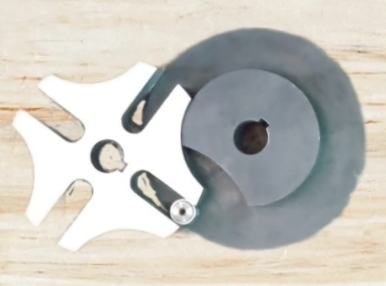
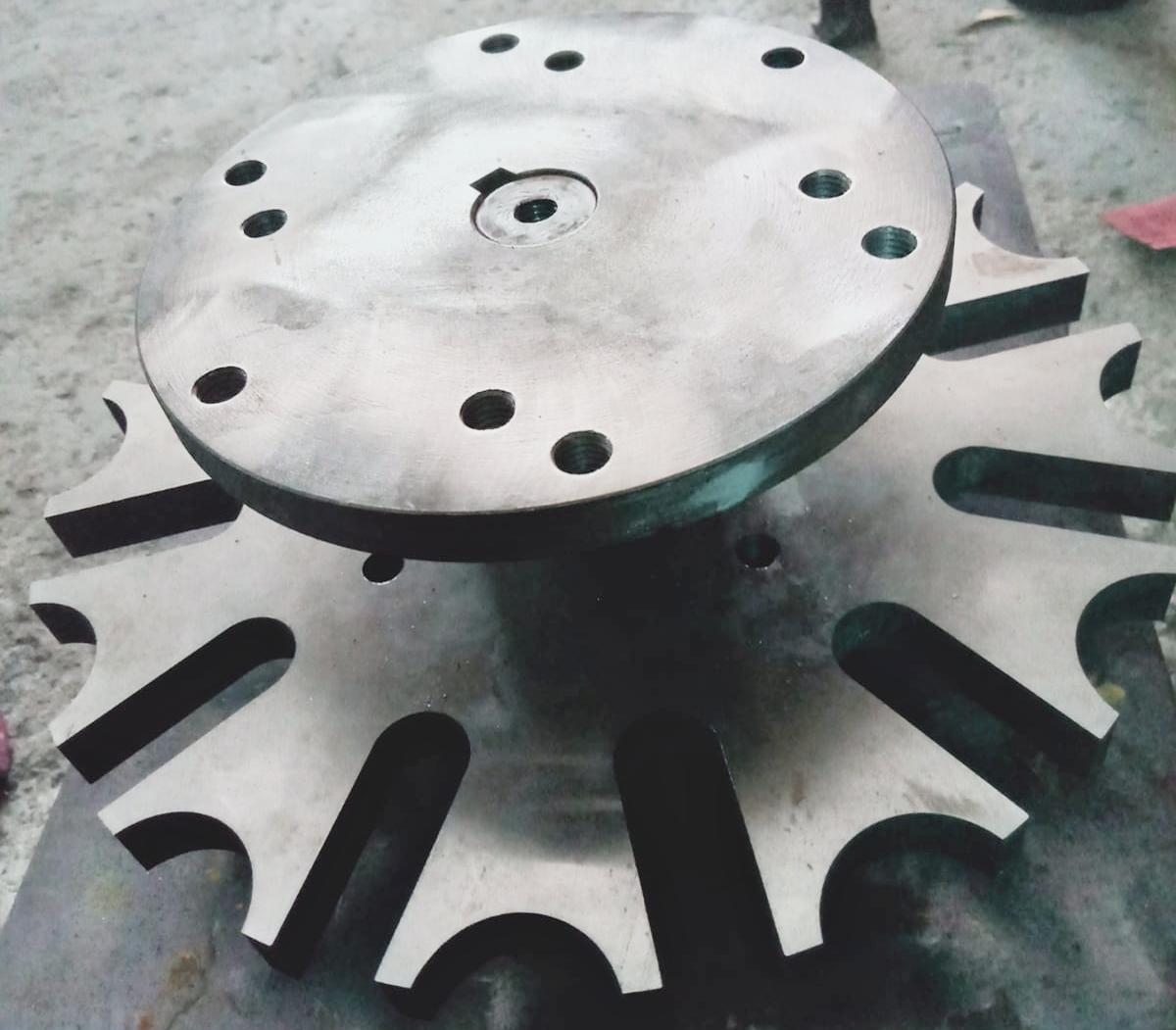
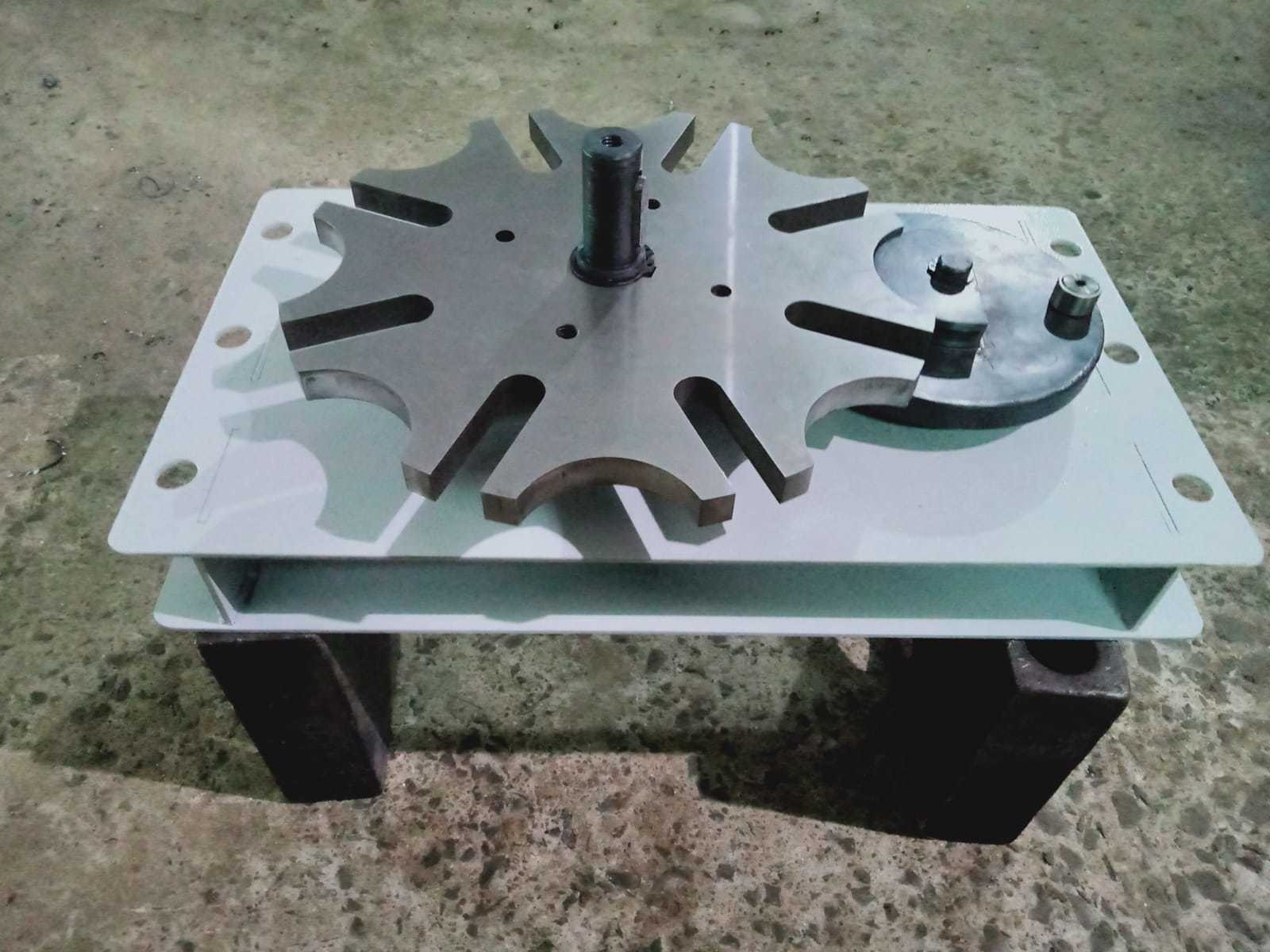
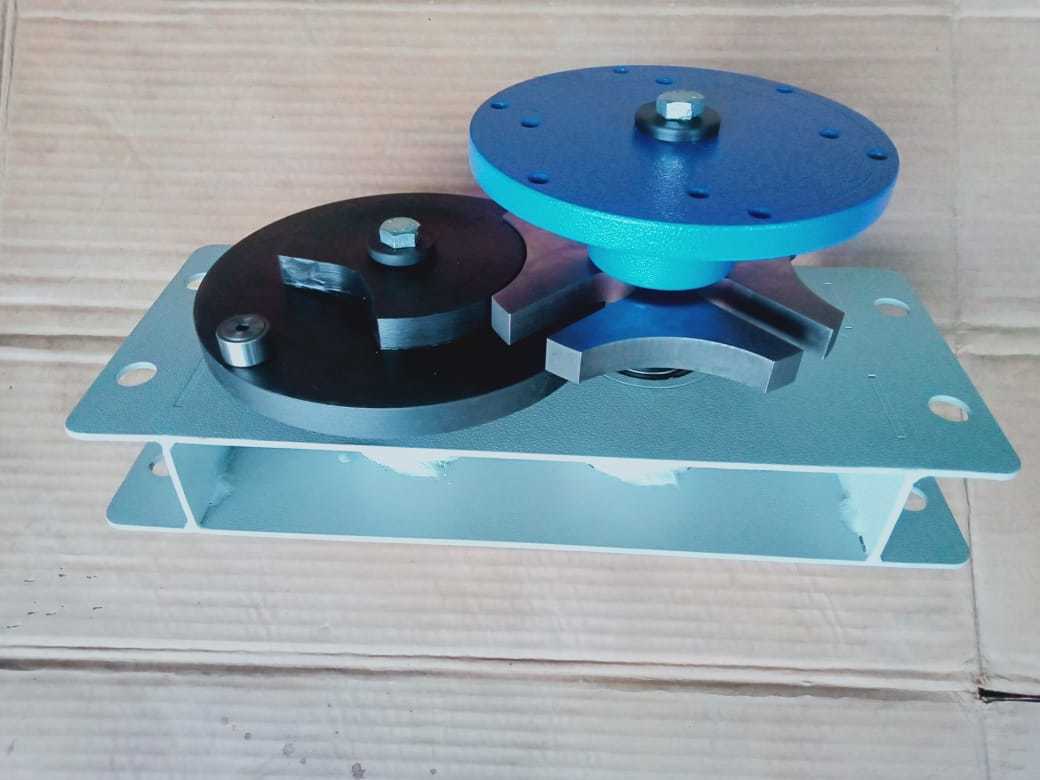
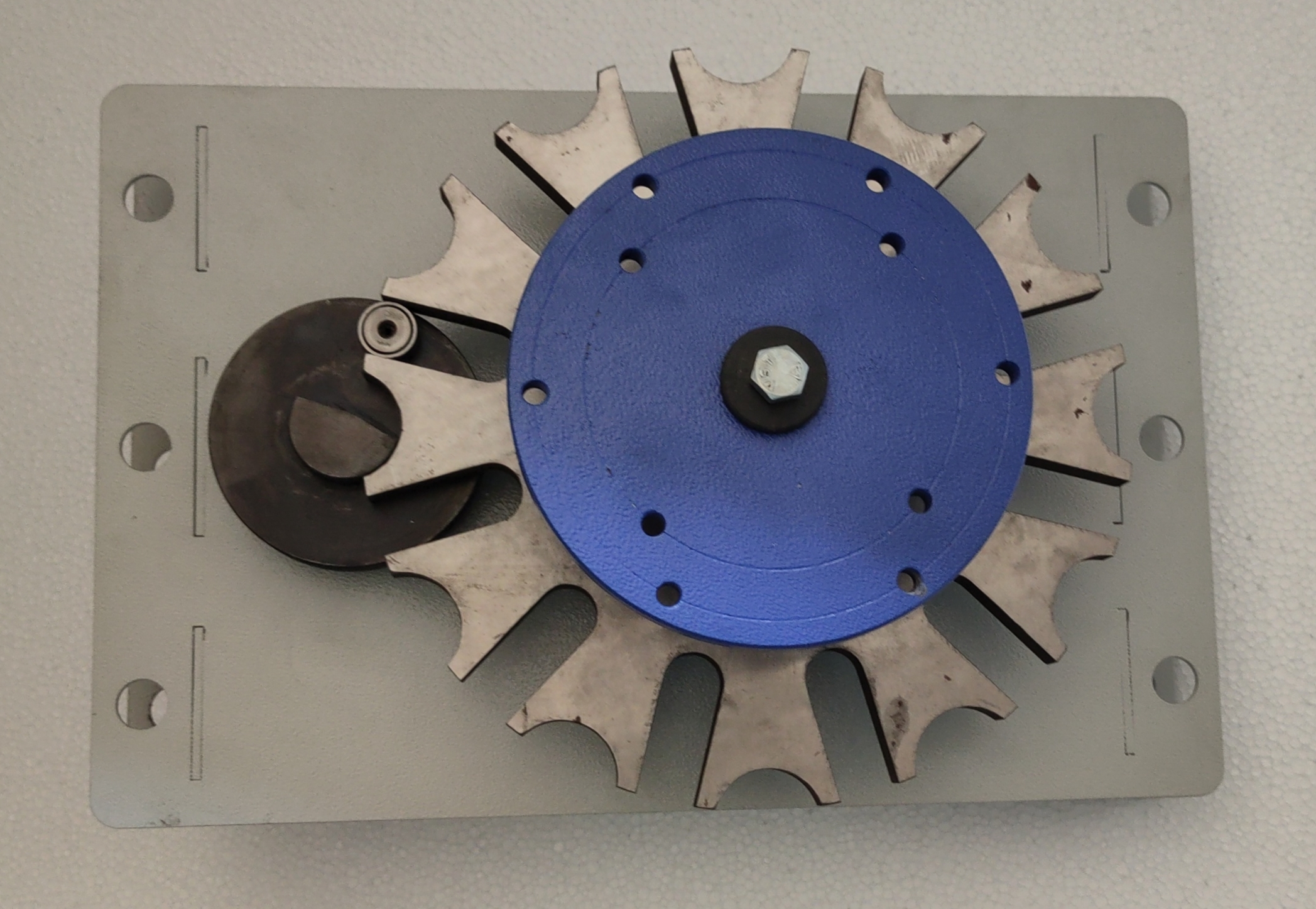
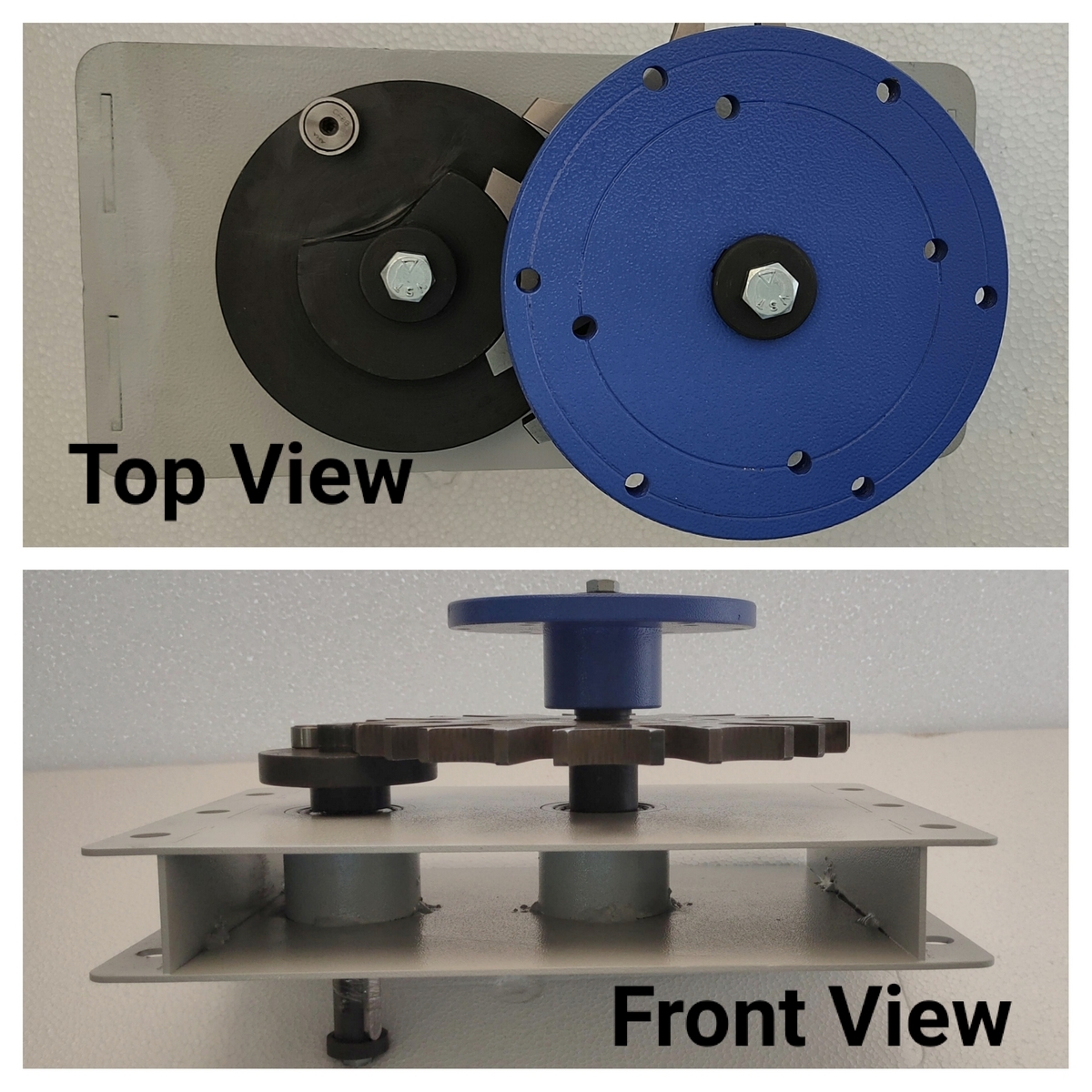
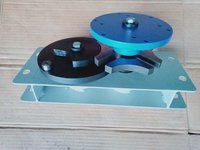
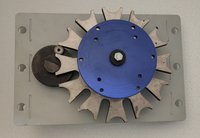
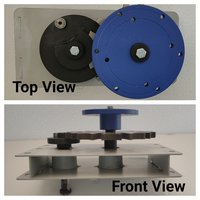
Geneva Mechanism
Product Details:
- Gear Type Geneva Wheel
- Material Alloy Steel / Stainless Steel
- Processing Type CNC Machined
- Gear Tooth Profile Involute
- Gearing Arrangement Fixed Axis / Intermittent
- Direction Bidirectional
- Output Torque 50-300 Nm
- Click to View more
X
Geneva Mechanism Product Specifications
- Geneva Wheel
- Fixed Axis / Intermittent
- Bidirectional
- Alloy Steel / Stainless Steel
- Variable (Determined by Slot Number)
- Up to 92%
- CNC Machined
- 50-300 Nm
- Involute
- 24 V / Custom
- 0.5-2 kW
- 300-1800 RPM
- Low
- 800 kgf
- Flange / Shaft Mounted
- 30° to 90° (Customizable)
- Ground, Black Oxide / Phosphated
- Indexing, Packaging Machines, Automation Equipment
- 4-12
- -10°C to 80°C
- Grease / Oil
Geneva Mechanism Trade Information
- 1 Per Day
- 15 Days
- Western Europe, Australia, North America, Eastern Europe, Central America, Middle East, South America, Asia, Africa
- All India
Product Description
Geneva Drive, Geneva Wheel, Geneva Mechanismfor Indexing in Various Applications
Indexer Made from C-45/ En-9 Hardened and Ground
Ready Stock or Early Delivery for 4 - 6 - 8 - 12 Indexing Drives
Customizable to any Indexing with available input details.
Bottle filling - Capping , Cone/Cup Filling - Sealing, Tableting, Roti-Dosa Making.
Customizable Indexing for Automated Precision
The Geneva Mechanism offers a highly adaptable solution for indexing applications. With configurable slot numbers and stop angles, it enables precise control over motion intervals. Its fixed axis or intermittent gearing arrangement ensures reliable, repeatable operation, seamlessly integrating into a variety of automation and packaging lines. Robust construction and careful surface processing make it suitable for intensive use.
Durable Engineering and Versatile Configurations
Constructed from alloy or stainless steel and CNC machined for exceptional durability, the Geneva Mechanism maintains structural integrity even under heavy loads up to 800 kgf. Options for flange or shaft mounting allow flexible installation. Coupled with efficient lubrication, this system ensures minimal wear and consistently low operational noise, making it a sound investment for high-performance equipment.
Efficient Performance Across Diverse Conditions
Operating efficiently at input speeds up to 1800 RPM and delivering output torque between 50-300 Nm, the Geneva Mechanism serves a broad spectrum of industrial environments. With bidirectional capability and variable output speed determined by slot number, it offers dependable, low-maintenance performance amid fluctuating temperatures, contributing to streamlined automation and greater operational uptime.
FAQ's of Geneva Mechanism:
Q: How does the Geneva Mechanism achieve precise indexing in automation equipment?
A: The Geneva Mechanism uses a series of slots (4-12, customizable) and a driven pin to convert continuous motion into accurate intermittent rotation. This design allows precise control over indexing intervals, making it ideal for applications such as packaging machines and industrial automation.Q: What materials are used to manufacture the Geneva Mechanism and why are they chosen?
A: The mechanism is crafted from alloy steel or stainless steel. These materials are selected for their strength, wear resistance, and durability, ensuring reliable performance even under heavy loads and frequent cycling in demanding environments.Q: When should grease or oil lubrication be used for the Geneva Mechanism?
A: Lubrication type depends on operational speed, load, and environmental factors. Grease is preferred for slower speeds and sealed systems, while oil is best for high-speed applications or where continuous lubrication is desirable to reduce friction and support consistent low-noise operation.Q: Where is the Geneva Mechanism typically mounted within machinery setups?
A: It can be mounted using either flange or shaft mounting configurations. The choice depends on the machine layout and requirements, enabling flexible integration into diverse equipment such as indexing tables, conveyors, or packaging lines.Q: What is the process for determining the output speed of a Geneva Mechanism?
A: Output speed is influenced by the input speed and the number of stops (slots) in the mechanism. Fewer slots result in faster output rotation, while more slots provide slower, more frequent indexing. Customization allows matching the output motion to specific application needs.Q: What are the benefits of using a CNC machined Geneva Mechanism with an involute gear profile?
A: CNC machining ensures precise dimensions and optimal gear engagement with the involute profile, resulting in smooth transmission, high efficiency (up to 92%), and minimized operational noise. This translates to longer service life and consistent indexing accuracy.Q: How does low operational noise benefit automation and packaging applications?
A: Low noise levels contribute to a safer and more comfortable working environment, reduce risk of mechanical disturbances, and enable sensitive automation processes. This characteristic helps maintain productivity and ensures compliance with industrial noise standards.Tell us about your requirement

Price:
Quantity
Select Unit
- 50
- 100
- 200
- 250
- 500
- 1000+
Additional detail
Mobile number
Email

Other Products in 'Gear Boxes, Reduction Gears & Gear Cutting' category


 Send Inquiry
Our Products
- Timing Pulley
- V Belt Pulley
- V Groove Pulley
- Taper Lock Products
- Transmission Gears
- Bevel Gear
- Rack & Pinion
- Taper Lock Pulley
- Industrial Gear
- Geneva Wheel
- Self Starter Drive Assembly
- Geneva Drive
- Equipment
- Weld Hub With Taper Lock Bush
- 6050 Taper Lock Bush
- Industrial Sprocket
- Separator Roller
- Chain Coupling
- Spiral Jaw Clutch Coupling


No. 45, Khodiyar Estate, Near Municipal Garden, Jamfalwadi Road , Nr. C.T.M.Cross Road, Amraiwadi,Ahmedabad - 380026, Gujarat, India

Mr Darshankumar Pancholi
(Proprietor)
Mobile :08045478369
 Send Inquiry
 Send SMS
Developed and Managed by Infocom Network Private Limited.
 English
 Spanish
 French
 German
 Italian
 Chinese (Simplified)
 Japanese
 Korean
 Arabic
 Portuguese